

Preventing Battery Fires in the UK Waste Sector: Why Businesses Must Act Now
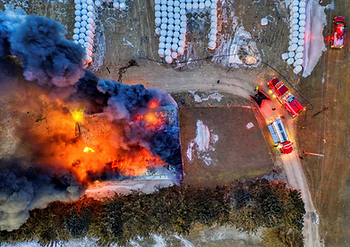
Battery fires have become one of the most serious and frequent hazards in the UK waste and recycling sector. What was once an occasional incident is now a daily concern for collection crews, operators and local authorities. Fires triggered by hidden or discarded batteries are occurring more than ever, often without warning. According to the National Fire Chiefs Council (NFCC), in 2023/24 alone there were over 1,200 battery related fires in bin lorries and waste sites across the UK, which was a staggering a 71% increase from the previous year.
The main reason for all of this is the increase in lithium-ion powered devices entering the waste stream. Items like vapes, power banks and e-bike batteries mean more products than ever contain cells that become volatile when damaged. Items that look harmless in a bin can cause devastating consequences.
The challenge is growing, but preventing these fires starts with clear awareness and decisive action at the source.
What’s Causing These Fires?
Battery fires typically occur when lithium-ion cells enter general waste or mixed recycling and become damaged during normal processes. Waste is crushed, compacted, shredded and moved, and if a battery is punctured or short circuits, it can enter a chain reaction called thermal runaway.
This isn’t a slow burn, it is an intense, self-heating process that quickly leads to flames and extreme heat.
The most common culprits include:
Vapes (now one of the biggest contributors to waste fires)
Power banks/ portable chargers
Mobile phones and tablets
E-bike and e-scooter batteries
Electric toothbrushes and shavers
Children’s toys and controllers
TV remotes and smart devices
Even the smallest battery can ignite a full waste load if crushed inside a collection vehicle or facility.
The Impact on Waste Operations
Battery fires are not isolated incidents; they cause costly and dangerous consequences across the entire waste chain.
Vehicle fires
A single battery can destroy a collection vehicle within minutes, leaving operators with costly repairs, written off trucks and service disruption for customers.
Facility fires
At transfer stations, fires can spread rapidly, causing building damage, destroyed equipment and days or weeks of downtime.
Health and safety risks
Fires release toxic smoke, endanger site staff, drivers, contractors and firefighters and often require full emergency responses.
Financial losses
Unplanned shutdowns, insurance claims, repairs, equipment replacement and missed collections all create significant operational and financial impact.
Environmental harm
Fires release pollutants and carbon emissions far beyond normal waste operations, and often undoing months of environmental progress.
Why Businesses Play a Critical Role
Most battery fires start long before the waste reaches a vehicle or a facility, they start at the point of disposal.
In workplaces of all types of batteries and battery powered items are frequently:
Thrown into general waste
Hidden inside bags
Mixed with recyclables
Left in bins without checking
Contamination is common, simply because staff don’t realise how dangerous these items are. UK waste regulations mean businesses have a duty of care to manage waste safely, and proper waste separation is essential to achieving them.
The Three Non-Negotiables for Prevention
To stop battery-related fires, businesses must take these steps:
Segregate batteries and devices that contain them
This includes, as stated before:
Vapes
Small electronics
Power banks
E-bike and scooter batteries
Tools, toys, remotes
Anything containing a lithium-ion cell
These items must be separated at the point of disposal and placed into dedicated battery containers or hazardous waste systems.
Provide staff with training and clear instructions
Prevention only works if everyone knows the process. Businesses should:
Use simple signage near waste points
Provide talks for teams
Share regular internal reminders
Encourage staff to report contamination or risks, without blame
Work with a licensed waste provider
A compliant provider will ensure:
Correct storage solutions for battery waste
Safe, legal handling
Specialist collections where needed
Advice on improving waste segregation
On-site assessments and staff guidance
Using the wrong contractor, or ignoring batteries altogether, puts people and operations at unnecessary risk.
We work closely with clients to put these controls in place, ensuring safety and legal compliance.
Our Perspective and Support
Director Phil Gudgeon notes:
“These fires are entirely preventable, but only if everyone plays their part in disposing of batteries correctly.”
We support businesses by:
Carrying out site assessments
Installing correct segregation systems
Providing containers for batteries and vapes
Advising on training and awareness
Managing safe, compliant collections
Monitoring waste streams to identify risks early
We work as a partner to help businesses keep their people and operations safe.
Conclusion
Battery fires are now one of the most severe and disruptive risks in the waste sector, but they are also entirely preventable.
By segregating batteries at the source, training staff clearly and partnering with a licensed waste provider, businesses can significantly reduce risk and protect their people and operations.
If your organisation needs guidance, training, or a safer way to manage battery-containing waste, we can help.
Get in touch:
Phone - 01582 314999
Email - info@wastesolve.co.uk


Comments